
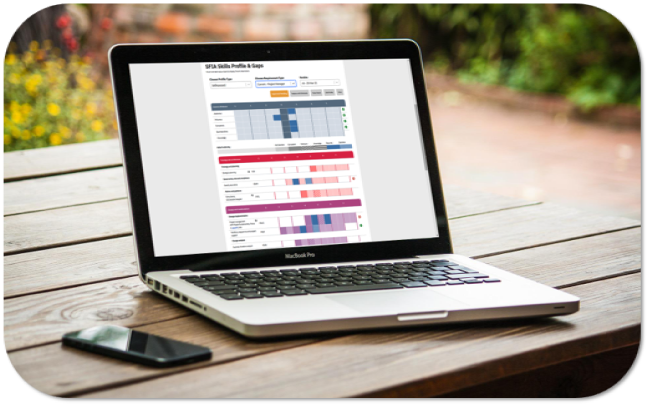
Skills mapping is a powerful tool for workforce development. It helps organizations understand their employees’ abilities and where they need improvement. By creating a clear picture of the skills within a team, companies can make better decisions about training, promotions, and hiring.
In today’s fast-changing world, having a detailed map of your workforce’s skills is more important than ever. Skills mapping allows businesses to quickly spot skill gaps and address them before they become a problem. This proactive approach not only boosts individual performance but also improves overall organizational effectiveness.
Another key benefit of skills mapping is enhanced employee engagement and retention. When employees see that their skills are being utilized and that there are clear paths for career advancement, they are more likely to stay with the company. Investing time in skills mapping shows employees that the organization is committed to their growth, creating a more motivated and loyal workforce.
Understanding Skills Mapping
What is Skills Mapping?
Skills mapping is a method used to identify, analyze, and understand the skills present within an organization. It involves creating a visual representation of these skills, allowing businesses to see what competencies exist and where there might be gaps. By clearly defining the skills of each employee, organizations can make more informed decisions about hiring, training, and career development. This method helps ensure that the right people are in the right roles, making the most of their abilities.
Key Elements of Effective Skills Mapping
Effective skills mapping consists of several key elements. First, it requires comprehensive data collection about employee skills. This can be done through self-assessments, peer reviews, and manager evaluations. Once data is gathered, it needs to be analyzed to identify strengths and areas for improvement.
The next element is visual representation. Creating charts or maps that display the skills across the organization helps in understanding the overall skill landscape. Finally, continuous updating is essential. Skills mapping should not be a one-time process. Regular updates ensure the map reflects current abilities and emerging skill needs, keeping the organization agile and prepared.
How Skills Mapping Differs from Traditional Assessments
Traditional assessments often focus on employee performance in specific tasks or roles, while skills mapping takes a broader view. Skills mapping looks at the overall capabilities of an individual, including soft skills and potential for growth. This holistic approach provides a more complete understanding of an employee’s abilities.
Unlike traditional assessments that may occur annually, skills mapping is a continuous process. It involves regular updates and reviews, allowing for real-time insights and adjustments. This proactive approach helps organizations stay ahead of skill gaps and ensures that development efforts are aligned with business goals.
Benefits of Skills Mapping for Organizations
Enhancing Workforce Planning and Development
One of the primary benefits of skills mapping is enhanced workforce planning and development. By understanding the skills within the organization, leaders can make more informed decisions about where to allocate resources. Skills mapping helps identify high-potential employees who are ready for new challenges and those who may need additional training. This strategic approach ensures that workforce development efforts are targeted and effective.
Identifying Skill Gaps and Training Needs
Another significant benefit of skills mapping is the ability to identify skill gaps and training needs. By clearly seeing what skills are lacking, organizations can develop targeted training programs to address these gaps. This ensures that employees receive the training they need to be successful in their roles. Additionally, it helps avoid duplicate training efforts and saves resources by focusing on the most critical areas.
Improving Employee Retention and Engagement
Skills mapping also plays a crucial role in improving employee retention and engagement. When employees see that their skills are being recognized and there are clear paths for development, they feel more valued and motivated. Engaged employees are more likely to stay with the company, reducing turnover and the associated costs. Furthermore, skills mapping can help identify employees who may be at risk of leaving and provide opportunities for re-engagement through targeted development initiatives.
Implementing Skills Mapping in Your Organization
Steps to Develop an Effective Skills Mapping Strategy
Developing an effective skills mapping strategy starts with clear goals. First, identify what you hope to achieve. Are you looking to pinpoint skill gaps, plan for future roles, or improve training programs? Knowing your objectives will guide the entire process.
1. Identify Key Competencies: Determine the key skills necessary for your organization to succeed. These may include technical skills, soft skills, and role-specific abilities.
2. Gather Data: Collect comprehensive data on current employee skills. Use self-assessments, peer reviews, and management evaluations to get a full picture.
3. Analyze and Map Skills: Analyze the data to create visual skill maps. Identify areas of strength and gaps that need addressing.
4. Develop Training Programs: Based on the identified gaps, create targeted training programs to develop the necessary skills.
5. Regular Updates and Reviews: Skills mapping should be an ongoing process. Regularly update the maps to reflect new skills and progress.
Tools and Technologies for Skills Mapping
The right tools and technologies can streamline the skills mapping process. Here are some essential tools:
1. Skills Assessment Software: Use platforms that facilitate self-assessments, peer reviews, and manager evaluations.
2. Data Analysis Tools: Leverage tools for analyzing skills data and generating visual skill maps.
3. Learning Management Systems (LMS): LMS platforms help in tracking training programs and employee progress.
4. AI and Machine Learning: Utilize AI to provide personalized training recommendations and predict future skill needs.
These tools not only simplify the process but also ensure that skills mapping is accurate and effective. They help in making data-driven decisions about workforce development.
Best Practices for Successful Implementation
Implementing skills mapping successfully requires attention to best practices:
1. Engage Employees: Involve employees in the skills mapping process. Their input is valuable for accurate assessments.
2. Maintain Transparency: Keep the process transparent to build trust. Share the purpose and benefits with all involved.
3. Prioritize Continuous Learning: Encourage a culture of continuous learning and development. Ensure that skills mapping is an ongoing effort.
4. Align with Business Goals: Ensure that your skills mapping strategy aligns with overall business objectives. This ensures relevance and impact.
5. Monitor and Adjust: Continuously monitor the effectiveness of your skills mapping strategy. Be ready to make adjustments as needed.
Future Trends in Skills Mapping
Emerging Technologies and Their Impact on Skills Mapping
Emerging technologies are revolutionizing skills mapping. AI and machine learning are leading the charge by offering advanced data analysis and personalized training recommendations. AI can predict future skill needs, allowing organizations to stay ahead of industry changes. Virtual Reality (VR) and Augmented Reality (AR) are also being used for immersive training experiences, offering hands-on learning opportunities.
Blockchain technology promises secure and verifiable skills tracking, ensuring that skill data is trustworthy. As these technologies evolve, they will make skills mapping more dynamic and precise.
Predictions for Workforce Competencies in the Future
The future workforce will require a mix of technical and soft skills. As automation and AI take on more routine tasks, human skills like creativity, emotional intelligence, and critical thinking will become increasingly important. Technical skills related to new technologies such as AI, machine learning, and cybersecurity will also be in high demand.
Organizations will need to focus on developing a versatile skillset in their employees, ensuring they can adapt to fast-changing industry requirements. Continuous learning and adaptability will be key competencies.
Preparing for Tomorrow’s Workforce with Skills Mapping
Preparing for the future workforce means embracing skills mapping today. Start by identifying the skills that will be crucial in the coming years. Develop training programs that focus on these skills and encourage a culture of continuous learning. Use skills mapping to regularly assess and update these programs, ensuring they remain relevant.
Conclusion
Skills mapping is vital for effective workforce development. It offers a clear view of existing skills, identifies gaps, and helps in making data-driven decisions about training and development. By implementing a robust skills mapping strategy, organizations can enhance workforce planning, improve employee engagement, and stay ahead of future skill needs.
As we look to the future, emerging technologies and evolving skill requirements make it essential to have a dynamic and continuous approach to skills mapping. Preparing your workforce for tomorrow starts with taking action today.
Explore how SkillsTX can help you develop a comprehensive skills mapping strategy. Contact us today to learn more about digital skills training program and how we can assist in building a skilled and adaptable workforce for the future.
