Making good decisions about hiring and employee development can be tough. That’s where a skills intelligence platform comes in. It helps you understand the skills your team has and what they need to work on. This makes it easier to match the right people with the right jobs. Let’s dive into the specifics and see how adopting a skills intelligence platform can be a game-changer.
Understanding Skills Intelligence Platforms
A skills intelligence platform helps you see the skills your team has and what they need to learn. These platforms gather data about employee skills through assessments, reviews, and self-reports. This information is used to make better decisions about hiring, training, and promotions.
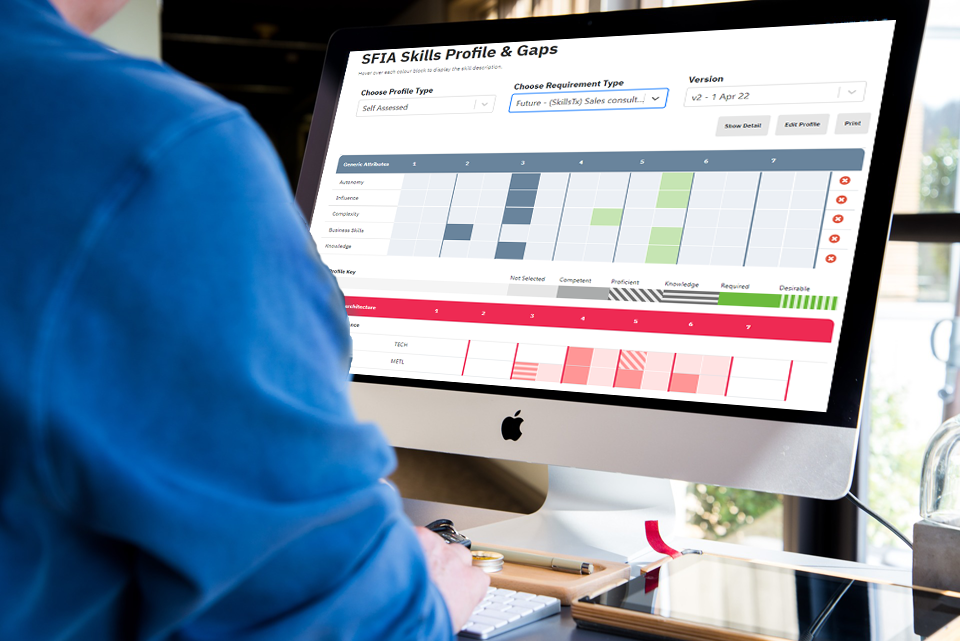
Skills intelligence platforms often include tools for skill mapping. Skill mapping shows you where skills are strong and where there are gaps. This makes it easier to plan training programs and fill roles with the right people. It also helps you see how skills are distributed across your organisation so you can plan for future needs.
Another important feature is skills assessment. These assessments can be simple quizzes or more detailed tests. They help you know which skills employees already have and which they need to improve. This way, you can provide targeted training and development opportunities.
Enhancing Workforce Productivity
A skills intelligence platform can boost productivity in several ways. First, it helps you assign the right people to the right tasks. When employees use their skills effectively, they work faster and better. This leads to higher-quality work and fewer mistakes.
Secondly, these platforms make it easier to identify training needs. When you know what skills are missing, you can provide the right training. This keeps employees up-to-date with the latest knowledge and techniques. Well-trained employees are more confident and efficient in their work.
– Reduced Downtime: With the right skills in place, your team can work more smoothly. There’s less downtime because people know what they’re doing, and tasks get done faster.
– Improved Collaboration: When employees know each other’s skills, they can work together better. A skills intelligence platform makes it easy to see who has what skills so teams can form quickly and work well together.
– Goal Alignment: These platforms help align employee skills with business goals. When everyone knows what skills are important, they can focus on developing those areas. This alignment ensures that projects get completed on time and meet quality standards.
Promoting Employee Development and Retention
A skills intelligence platform plays a key role in employee development. By identifying the skills each person has, you can customise training programs. This makes sure that employees get the training they need to grow in their roles. When employees see that their company is investing in them, they feel valued.
These platforms can also help set clear career paths. When employees know what skills they need for the next step in their careers, they are more likely to stay with your company. Clear career paths reduce turnover because employees see a future with your organisation.
– Personalised Learning: Skills intelligence platforms help create personalised learning plans. Each employee gets training tailored to their specific needs. This makes the learning process more effective and engaging.
– Better Mentorship: With clear data on skills, you can pair employees with mentors who can help them grow. Mentors provide guidance and support, which can be very motivating for employees.
– Recognition and Rewards: Knowing the skills employees have mastered can help you recognise and reward their achievements. Recognition boosts morale and encourages others to improve their skills.
By focusing on employee development, you also boost retention. Happy, well-trained employees are less likely to leave, saving your company the cost and hassle of hiring new staff.
Streamlining HR Processes and Decision-Making
A skills intelligence platform can greatly simplify HR tasks. It automates the process of tracking and analysing employee skills. This makes it easier for HR teams to find the right people for the right roles.
Recruiting becomes more efficient. With clear data on required skills, you can quickly identify the best candidates. Automated matching tools can compare candidate skills with job requirements, speeding up the hiring process.
– Efficient Performance Reviews: With up-to-date skill data, performance reviews become more accurate. You can provide detailed feedback based on real data, helping employees know where to improve.
– Better Workforce Planning: Skills intelligence platforms help with workforce planning. You can see which skills are abundant and which are lacking. This information helps you plan for future hires or training programs.
– Enhanced Compliance: These platforms also help ensure compliance with industry standards. By tracking required certifications and training, you can easily keep your team up-to-date.
Using a skills intelligence platform makes HR processes quicker and more accurate. It frees up HR teams to focus on strategic tasks rather than administrative ones. This leads to better decision-making and a more efficient organisation.
Conclusion
Adopting a skills intelligence platform can bring many benefits to your organisation. From boosting productivity to improving employee retention, these platforms offer a range of advantages. They make it easier to see what skills your team has and what they need to grow. This helps in making better decisions about hiring, training, and career development.
Ready to see how a skills intelligence platform and digital skills training program can transform your organisation? Contact us at SkillsTX today to learn more and take the first step towards a more skilled and productive workforce.
